.png)



Wondering How Pest Control Companies Inspect Your Home in Lufkin, TX?
Understanding how pest control companies inspect your home can help protect you from hidden pest problems — whether you're buying a house, dealing with a recurring pest issue, or simply want peace of mind. For help in Lufkin, TX, call Spot On Pest Control, LLC at (936) 398-8381.
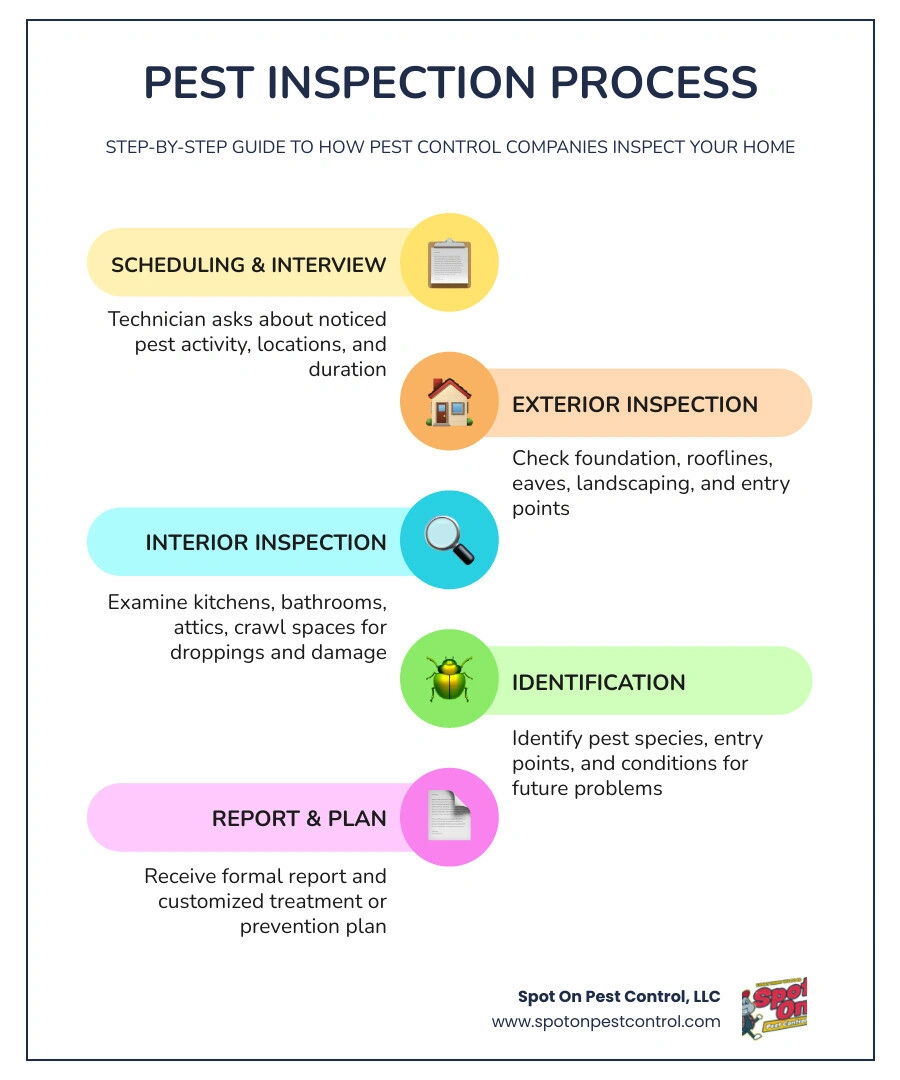
Here's a quick overview of what a professional pest inspection typically involves:
- Scheduling and pre-inspection interview — The technician asks about any pest activity you've noticed, where you've seen it, and how long it's been happening.
- Exterior inspection — The inspector walks the perimeter, checking the foundation, rooflines, eaves, landscaping, and entry points for signs of pests or conditions that attract them.
- Interior inspection — Room by room, the technician checks kitchens, bathrooms, attics, crawl spaces, and garages for droppings, damage, moisture issues, and active infestations.
- Identification and assessment — The inspector identifies pest species, entry points, and conditions that could lead to future problems.
- Written report and recommendations — You receive a formal report documenting findings, along with a customized treatment or prevention plan.
Most pest inspections take 30 minutes to an hour for a standard-sized home, though larger properties or more complex situations may take longer.
Pest problems rarely announce themselves. Termites can silently eat through wood for years before the damage becomes visible. Rodents can nest behind walls long before you hear them. And many other common Texas pests — from fire ants to cockroaches — establish themselves in hard-to-see areas like crawl spaces, attics, and wall voids. By the time most homeowners notice something is wrong, the issue has often been building for months.
A professional pest inspection changes that. Rather than waiting for a full-blown infestation, a trained technician systematically examines your home from the foundation to the roofline, looking for both current activity and the conditions that invite pests in the first place. Whether you're preparing to buy a home in Lufkin, TX, protecting a property you've owned for years, or satisfying a lender requirement, knowing what happens during this process helps you get more out of the visit — and make confident decisions about your home.
How pest control companies inspect your home word guide:
Understanding Pest Inspections vs. Standard Home Inspections
It is incredibly common for homebuyers to assume that a standard home inspection covers everything they need to know about bugs. However, this is a risky misconception that can lead to major headaches down the road.
A standard home inspection is a general health checkup for a house. The inspector focuses on the structural systems, electrical wiring, plumbing, roofing, and major appliances. They want to make sure the house is structurally sound and that the physical systems are working safely. While they might point out a rotting board or a spot of water damage, they are not trained or licensed to diagnose specific insect infestations or wood-destroying organisms (WDO).
A professional pest inspection, on the other hand, is a highly targeted assessment. The inspector's sole focus is to search for active pests, evidence of past infestations, structural damage caused by pests, and environmental conditions that are likely to attract them in the future.
To help you visualize the differences, here is a quick comparison:
| Feature | Standard Home Inspection | Professional Pest Inspection |
|---|---|---|
| Primary Focus | Structural integrity, electrical, plumbing, HVAC, and safety systems. | Active pests, past pest damage, and conditions that attract bugs. |
| Areas Examined | Visible and accessible areas of the home structure and appliances. | Deep dive into crawl spaces, attics, foundations, and wood structures. |
| WDO Detection | May note visible rot, but does not specialize in identifying wood-destroying insects. | Specifically looks for termites, carpenter ants, and wood-boring beetles. |
| Lender Requirements | Almost always required for a standard mortgage. | Frequently required separately by lenders, especially for VA and FHA loans. |
If you are in the middle of a real estate transaction, scheduling a separate pest evaluation is one of the most protective steps you can take. If you are wondering whether to take this step, you can read more about whether you Do I Need a Termite Inspection Before Buying a Home to protect your investment.
How Pest Control Companies Inspect Your Home: The Step-by-Step Process
When we arrive at a home in Lufkin, TX, we do not begin with a one-size-fits-all approach. At Spot On Pest Control, LLC, a careful inspection comes first. This helps us understand what is happening in your home and build a pest management plan that fits your needs.

The process begins with a conversation. We want to hear from you first. Have you noticed any strange noises behind your walls? Have you found mysterious piles of sawdust near your baseboards? By interviewing you about what you have seen or heard, we can narrow down our focus and pay extra attention to high-risk areas.
Next, we move through a structured physical examination of your property. We look at both the interior and exterior of your home, searching for entry points, moisture sources, and actual signs of pest activity. To understand how this fits into our broader service approach, you can learn more about How Professional Pest Control Works Step-by-Step.
Exterior Areas Checked During How Pest Control Companies Inspect Your Home
Because the vast majority of household pest infestations begin outdoors, the exterior of your home is where we spend a significant amount of our diagnostic time. Pests are natural opportunists; they are constantly searching for tiny vulnerabilities that allow them to move inside where food, water, and shelter are abundant.
When we inspect the exterior of your home, we focus heavily on the following areas:
- Foundation Cracks and Siding Gaps: Even a hairline crack in your concrete foundation or a gap where your siding meets the brick can serve as an open door for ants, spiders, and rodents.
- Rooflines, Eaves, and Overhangs: These high areas are prime real estate for wasps building nests, spiders spinning webs, and rodents seeking access to your attic. We inspect these areas closely and remove accessible webs and nests as we find them.
- Landscaping and Mulch: Mulch piled high against your foundation holds moisture, which attracts termites and roaches. We also check for tree branches or shrubs that touch your roof or siding, as these act as natural bridges for pests to bypass your exterior barriers.
- Utility Line Penetrations: Where plumbing pipes, electrical wires, or AC lines enter your home, there are often small gaps in the drywall or brick. These are classic entryways that pests love to exploit.
Understanding these entry points is key to keeping your home secure. For a deeper dive into how these critters find their way inside, check out our guide on How Do Pests Get Into My Home.
Interior Areas Checked During How Pest Control Companies Inspect Your Home
Once we have completed our outdoor sweep, we move indoors to inspect the areas where pests are most likely to hide, feed, and nest. Pests prefer dark, undisturbed spaces with easy access to moisture, which is why we pay special attention to the structural "hidden zones" of your house.
- Attics: We check the attic insulation for signs of rodent nesting, chewed wiring, and droppings. We also inspect the wooden rafters and roof decking for any signs of drywood termites or wood-boring beetles.
- Crawl Spaces and Basements: These areas are highly vulnerable to moisture buildup. We look for standing water, leaking pipes, damp soil, and sagging floor joists. These dark, humid conditions are highly conducive to subterranean termites and wood-decaying fungi.
- Kitchens and Bathrooms: Because pests need water to survive, rooms with active plumbing are major attractants. We inspect under sinks, behind appliances (like refrigerators and dishwashers), and around floor drains. We look for water leaks, condensation, and food debris that could support a pest population.
- Garages and Storage Areas: Cluttered storage boxes and cardboard provide excellent harborage for spiders, roaches, and rodents. We check these quiet corners to ensure pests haven't set up camp.
Identifying these spots is only the first step. To protect your home permanently, you have to close those doors. You can learn exactly how to do this by reading our practical walkthrough on How to Identify and Seal Pest Entry Points.
Key Signs of Pest Activity and Damage Inspectors Look For
During an inspection, we are essentially acting as detectives. Pests are excellent at hiding, but they almost always leave behind clues that reveal their presence. A trained eye knows exactly how to interpret these subtle signs.
Here are the primary signs of pest activity and damage that we search for:
- Droppings and Urine Stains: Rodent droppings are highly visible and tell us a lot about the size and type of infestation. Roach droppings look like tiny specks of black pepper, often found in the corners of cabinets or drawers.
- Frass: This is a fine, powdery sawdust-like material. It is actually the excrement of wood-destroying insects like drywood termites or wood-boring beetles, and it is a major red flag that wood damage is actively occurring.
- Mud Tubes: Subterranean termites build these pencil-thin tubes made of mud and saliva to travel safely between the soil and your home's wooden structure without drying out.
- Gnaw Marks: Rodents have teeth that never stop growing, so they must constantly chew. We look for gnawed drywall, chewed electrical wires, and bite marks on wooden trim or food packaging.
- Shed Skins and Egg Cases: Insects like roaches and bed bugs shed their skins as they grow. Finding these in dark crevices confirms an active, breeding population.
Our East Texas climate in Lufkin makes our area particularly friendly to a wide variety of pests. The most common pests we encounter and inspect for include:
- Termites: Among the most damaging pests in Texas and capable of causing serious structural damage.
- Rodents (Mice and Rats): Known for chewing through wiring, creating fire hazards, and spreading disease.
- Fire Ants: A painful nuisance that can build massive colonies in yards and occasionally invade home foundations.
- Mosquitoes: Highly active from spring through autumn, making outdoor spaces unusable.
- Wasps and Hornets: Often build dangerous nests under eaves and porches.
- Spiders: Including venomous species like the Brown Recluse and Black Widow that hide in dark, cluttered spaces.
- Roaches: Highly resilient pests that thrive in warm, humid kitchen and bathroom environments.
If you suspect that termites might be quietly damaging your property, you don't have to wait for us to arrive to start looking for clues. You can read our helpful guide on How to Check Your Home for Termite Activity to learn what to look for today.
When is a Professional Pest Inspection Required in Texas?
While many homeowners schedule pest inspections simply for their own peace of mind, there are several situations where a professional inspection is legally or contractually required. This is especially true during real estate transactions in Texas.
Lenders want to protect their investments. Because termites and other wood-destroying insects can silently damage the structural value of a home, mortgage companies often require a formal Wood-Destroying Insect (WDI) report before they will approve a loan.
- VA Loans: If you are a veteran purchasing a home in Texas using a VA loan, a WDI registry inspection is almost always mandatory. The VA has strict guidelines to ensure that veterans do not purchase homes with hidden structural damage.
- FHA Loans: For FHA-backed mortgages, an inspection is typically required if the home appraiser notes any visible signs of potential pest activity, or if the home is located in an area with extremely high termite activity.
- Conventional Mortgages: Many conventional lenders also write pest inspections into their closing requirements, particularly in warm, humid regions of Texas where termite pressure is constant.
Navigating these rules during a home purchase can feel overwhelming. To make sure you have all your bases covered, we recommend reading up on the specific Termite Inspection Requirements for Home Purchases in Texas. You can also learn more about the exact paperwork and processes involved by reading our guide on What a Termite Inspection Includes for Real Estate.
Frequently Asked Questions About Home Pest Inspections
How long does a typical pest inspection take?
A standard, thorough pest inspection usually takes between 30 minutes and one hour. However, this timeline can vary based on a few key factors:
- Size of the Home: A large multi-story home or a property with detached buildings, like garages or sheds, will naturally take longer to inspect than a small cottage.
- Accessibility: If your crawl space, attic, or basement is easy to access and free of heavy clutter, the inspection will move much faster.
- Severity of Issues: If our technician discovers active termite mud tubes or signs of a rodent infestation, they will take extra time to document the damage, take photos, and map out the extent of the problem.
For local homeowners looking to schedule an assessment, you can find specific details about our regional process by visiting our page on Termite Inspection Lufkin TX.
How often should you have a termite inspection?
We strongly recommend having your home inspected for termites at least once a year.
In East Texas, the warm temperatures, heavy rainfall, and abundance of pine trees create the perfect environment for subterranean termites. Because these pests live underground and eat wood from the inside out, they can cause serious structural damage before you ever see a single live insect.
Annual inspections focus on early detection. Catching a termite colony when they first find a way into your home allows us to eliminate them before they can cause significant structural damage. To learn more about setting up a protective schedule for your property, read our article on How Often Should You Have a Termite Inspection.
What happens if pest activity is found during the inspection?
If pest activity is found, the technician will explain what was discovered, where it was found, and what it means for your home. You may receive photos, notes, and a written report that documents the issue clearly.
From there, Spot On Pest Control, LLC can recommend a treatment or prevention plan based on the pest, the level of activity, and the areas affected. This may include targeted treatment, exclusion work, moisture correction tips, regular inspections, or seasonal adjustments to help keep pests from returning. For urgent concerns, our team also offers 24/7 emergency availability.
Conclusion
A home is one of the most significant investments you will ever make. Protecting it from the silent, destructive threat of pests requires a proactive, educated approach. By understanding how pest control companies inspect your home, you can stay ahead of infestations, satisfy lender requirements during a home sale, and keep your living spaces safe and comfortable.
At Spot On Pest Control, LLC, we operate with deep Christian values, emphasizing integrity, compassion, and excellence in everything we do. As a family-owned business, we treat your home with the same care and respect that we would show to our own. Whether you need a specialized wood-destroying insect report for a real estate transaction, rodent control, wasp nest removal, spider extermination, ant extermination, roach extermination, termite control, bed bug treatment, fire ant control, bee removal, or a customized year-round maintenance plan, we are here to serve our Lufkin, TX community.
Do not wait for pests to make themselves at home. Reach out to Spot On Pest Control, LLC today to experience our honest, eco-friendly approach, or learn more about our comprehensive services by visiting Spot On Pest Control Services.
Our Services
Our pest control services cover ants, termites, bed bugs, rodents, mosquitoes, and other common pests, with customized solutions for both residential and commercial properties.